4 DECEMBER 2025
The Five-Year-Old Problem: Transdisciplinary discussions on Neurodiversity and Neurodisability at Wetherby YOI
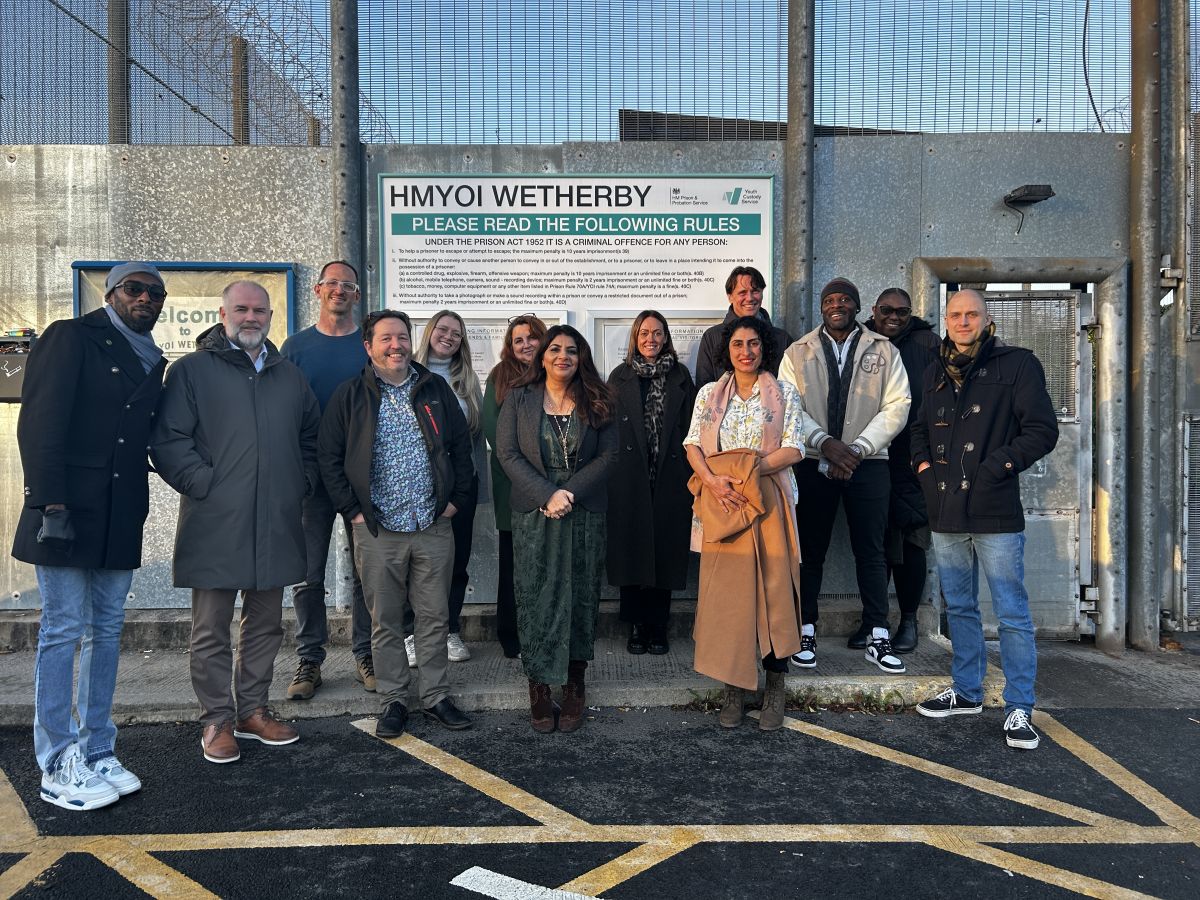
Here is something that will change how you think about youth crime.
Take a thousand children starting school this September. Give them the standard assessments that every reception class uses. Now wait fifteen years and check who ended up in the criminal justice system.
Dr. Hope Kent and her colleagues did exactly this, following over half a million children born in 2001. What they discovered was remarkable. The children who would later receive cautions or convictions were already identifiable at age five. Not because they were bad kids. Because they were struggling, and nobody was paying attention.
But here is where it gets interesting.
Poverty alone increased the risk. Developmental difficulties alone increased the risk. But put them together and something unexpected happened. The risks did not simply add up. They multiplied. Kent's team called it a "double disadvantage": children facing both factors were not twice as likely to end up in trouble. They were caught in a synergistic effect, where the combination produced outcomes worse than either factor alone could explain.
Which raises an obvious question: if we can spot these children before they learn to read, why are we waiting until they commit offences to intervene?
Walk into any young offender institution and you will find a population that looks nothing like the children in mainstream schools. ADHD affects about 7% of children generally. In custody, it exceeds 30%. Communication difficulties? Fewer than one in ten children outside, more than six in ten inside. Acquired brain injury? Perhaps 20% in the general population, but up to 87% behind bars.
These numbers should be shocking. Instead, they have become so familiar that we barely notice them.
The United Nations has noticed. Their Committee on the Rights of the Child has stated, without much ambiguity, that children with neurodevelopmental conditions should not be in the justice system at all. Yet somehow the conveyor belt keeps running.
The problem is that no single profession owns this failure. The health service sees an injured child and discharges them. The school sees a disruptive pupil and excludes them. The police see an offender and arrest them. Everyone is doing their job. Everyone is following their protocols. And collectively, they are producing a catastrophe.
This is why TRY Justice, a network of researchers from fourteen universities, spanning psychology, health, education, law, sociology, and criminology, has started doing something unusual. They are sitting in rooms together, alongside practitioners and people who have lived through the system, trying to see the whole picture rather than just their slice of it.
The approach is transdisciplinary, which sounds like academic jargon until you realise what it means in practice. It means the neuropsychologist learns why schools exclude. The criminologist discovers what happens in A&E. The education specialist understands what police custody looks like at 2am.
The late Professor Mike Oliver, the disability scholar, argued that the problem is never really located inside the child. It is located in institutions that cannot accommodate difference. The child with communication difficulties who cannot follow rapid instructions is not deficient. The system that punishes them for it is.
Whilst can see these children at five, there is still a concern that we choose not to.